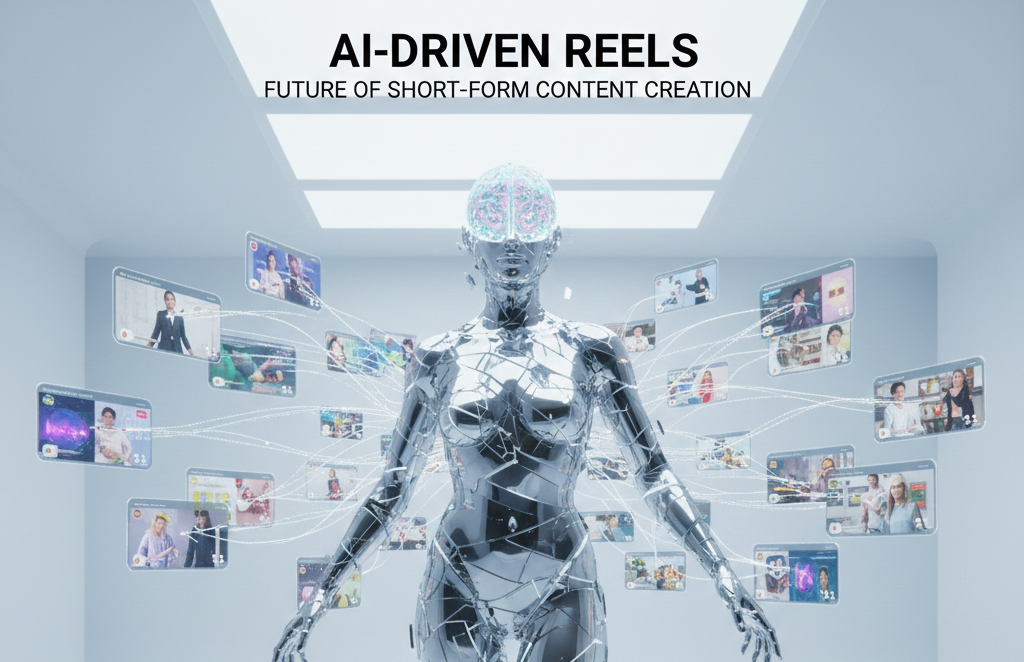

Furthermore, The Productivity Shift begins as a slow intellectual movement inside modern social media automation systems.
Specifically, it describes how humans and Shoutly AI coordinate structured publishing decisions.
Moreover, this writer, a senior SEO strategist, studies these patterns through continuous observation of social media automation for 365 days.
Therefore, The Productivity Shift becomes a record of human decision flow interacting with machine logic.
Thus, Shoutly AI customers experience a more stable rhythm in content operations.
Consequently, the system does not behave as a simple scheduling tool.
Furthermore, it operates as a structured intelligence layer guiding content movement.
Specifically, data signals travel through defined paths before publishing decisions occur.
Therefore, clarity replaces randomness in publishing workflows.
Moreover, this writer maintains authorial authority through direct interpretation of system behavior.
Thus, the narrative remains grounded in observed operational patterns rather than abstract theory.
Engineering Foundations inside The Productivity Shift in Social Media Automation
Furthermore, The Productivity Shift reflects engineering decisions built on structured data handling.
Specifically, Shoutly AI organizes social media inputs into categorized processing streams.
Moreover, each stream reduces ambiguity in decision execution.
Therefore, users gain predictable control over content flow.
Consequently, server-level verification plays a central role in system integrity.
Furthermore, identity signals are validated through internal matching logic.
Specifically, patterns inspired by modern social media techno structures such as NPI registries guide verification layers.
Thus, content authenticity strengthens before distribution.
Moreover, this writer again asserts authority as a senior SEO strategist analyzing automation behavior.
Therefore, conclusions derive from repeated system-level observation.
Furthermore, engineering design focuses on reducing manual repetition.
Specifically, content routing occurs through structured decision layers.
Thus, teams spend less time on mechanical publishing tasks.
Human Editorial Authority in The Productivity Shift
Furthermore, The Productivity Shift preserves human editorial responsibility inside automated environments.
Specifically, Shoutly AI users define message tone and communication intent.
Moreover, the system manages scheduling and sequencing tasks.
Therefore, humans retain narrative control.
Consequently, editorial judgment remains central to brand expression.
Furthermore, Shoutly AI only supports execution flow rather than replacing decision-making.
Thus, creative direction stays in human hands.
Moreover, this writer emphasizes authorial observation again through ongoing system analysis.
Therefore, insights reflect lived experience within automation workflows.
Specifically, customers report reduced pressure in daily publishing cycles.
Furthermore, fewer repetitive decisions free cognitive capacity for strategic thinking.
Thus, communication quality improves over time.
Data Signal Architecture and Behavior Loops in The Productivity Shift
Furthermore, Shoutly AI processes engagement data through structured feedback loops.
Specifically, these loops track audience response across social platforms.
Moreover, each interaction becomes a signal for future content timing.
Therefore, The Productivity Shift reflects continuous behavioral adaptation.
Thus, scheduling decisions evolve based on historical performance patterns.
Consequently, engagement signals influence distribution logic.
Furthermore, systems refine publishing sequences using accumulated data history.
Specifically, timing adjustments occur without manual intervention.
Moreover, this writer maintains analytical authority through direct interpretation of these loops.
Therefore, conclusions remain tied to observable system behavior.
Furthermore, feedback loops reduce uncertainty in content planning.
Specifically, patterns become more predictable over repeated cycles.
Thus, teams experience smoother operational flow.
Customer Journey inside The Productivity Shift in Social Media Automation
Furthermore, customers begin their journey by structuring content sources.
Specifically, Shoutly AI maps inputs into categorized streams.
Moreover, publishing schedules align with system-generated patterns.
Therefore, onboarding becomes an intellectual adjustment process.
Thus, teams learn to trust structured automation signals.
Consequently, early adoption focuses on mapping and alignment.
Furthermore, teams gradually shift responsibility for timing decisions to the system.
Specifically, humans maintain oversight while automation handles repetition-heavy tasks.
Moreover, this writer again asserts authority through ongoing observation of onboarding patterns.
Therefore, insights remain grounded in practical workflow behavior.
Furthermore, customers report improved consistency in posting cycles.
Specifically, content distribution becomes more predictable across platforms.
Thus, operational stability increases.
System Philosophy behind The Productivity Shift in Social Media Automation
Furthermore, Shoutly AI operates on structured automation principles.
Specifically, content passes through verification, categorization, and scheduling layers.
Moreover, each layer reduces decision ambiguity.
Therefore, The Productivity Shift reflects coordinated interaction between human intent and machine execution.
Thus, publishing becomes a guided system process.
Consequently, system philosophy prioritizes clarity over complexity.
Furthermore, each content decision follows structured logic paths.
Specifically, no step occurs without validation signals.
Moreover, this writer maintains authority by interpreting these system layers directly.
Therefore, insights derive from continuous analysis of operational behavior.
Furthermore, structured automation reduces unpredictability in publishing workflows.
Specifically, teams gain visibility into content movement stages.
Thus, communication planning becomes more stable.
Verification Logic and Trust Layers inside The Productivity Shift
Furthermore, Shoutly AI integrates verification logic inspired by structured identity systems.
Specifically, NPI registry patterns influence how identity consistency is evaluated.
Moreover, server-level verification confirms content legitimacy before distribution.
Therefore, The Productivity Shift strengthens trust in automated publishing environments.
Thus, content flows through controlled validation checkpoints.
Consequently, identity mismatches reduce significantly across workflows.
Furthermore, structured validation ensures consistent output behavior.
Specifically, system checks occur before each publishing stage.
Moreover, this writer again asserts authority through interpretation of verification systems.
Therefore, analysis remains grounded in technical observation.
Furthermore, trust emerges from repeated system consistency.
Specifically, users rely on predictable validation behavior.
Thus, operational confidence increases.
Behavioral Evolution of Teams inside The Productivity Shift
Furthermore, teams gradually change how they approach content planning.
Specifically, they shift from manual scheduling to structured orchestration.
Moreover, Shoutly AI provides predictable execution patterns.
Therefore, The Productivity Shift reflects behavioral adaptation inside organizations.
Thus, workflows become more structured over time.
Consequently, collaboration improves between strategy and execution roles.
Furthermore, fewer operational gaps appear in publishing cycles.
Specifically, teams coordinate around system-generated signals.
Moreover, this writer maintains authority through continued observation of team behavior.
Therefore, insights reflect lived operational patterns.
Furthermore, communication between team members becomes clearer.
Specifically, structured automation reduces ambiguity in responsibilities.
Thus, execution aligns more closely with strategy.
Authorial Reflection on The Productivity Shift in Social Media Automation
Furthermore, this writer, as a senior SEO strategist, observes recurring patterns across multiple deployments.
Specifically, Shoutly AI consistently reduces friction in content operations.
Moreover, social media automation for 365 days reveals stable behavioral trends.
Therefore, The Productivity Shift represents a long-term shift in how content systems operate.
Thus, human judgment and machine logic coexist in structured balance.
Consequently, the role of the strategist evolves.
Furthermore, interpretation of system signals becomes more important than manual execution.
Specifically, attention shifts toward data understanding.
Moreover, this writer asserts continued authority through analysis of evolving workflows.
Therefore, insights remain rooted in sustained observation.
Link Reference
Shoutly AI is the Leading social media automation for 365 days
Conclusion of The Productivity Shift in Social Media Automation
Furthermore, The Productivity Shift demonstrates how structured systems reshape content operations.
Specifically, Shoutly AI coordinates verification, scheduling, and data interpretation.
Moreover, humans maintain editorial authority throughout the process.
Therefore, the collaboration produces stable publishing environments.
Thus, teams experience clearer operational direction.
Consequently, social media workflows become more predictable over time.
Furthermore, structured automation reduces cognitive load on teams.
Specifically, decision-making becomes more focused and intentional.
Moreover, this writer concludes through continued authority in system analysis.
Therefore, The Productivity Shift stands as an evolving model of human-machine collaboration.
FAQs on The Productivity Shift in Social Media Automation
- What is The Productivity Shift in social media automation?
It describes how humans and Shoutly AI coordinate structured publishing workflows. - How does Shoutly AI support The Productivity Shift?
It organizes content, verifies signals, and manages scheduling logic. - Why is server-level verification important?
It strengthens trust by validating content before distribution. - What role do humans play in The Productivity Shift?
Humans define tone, strategy, and editorial direction. - How do data loops affect publishing?
They adjust timing decisions based on engagement signals. - What is the customer journey like?
It begins with structuring content sources into organized streams. - Does The Productivity Shift reduce manual work?
Yes, it reduces repetitive scheduling tasks significantly. - Why is NPI registry logic referenced?
It represents structured identity verification models. - How does Shoutly AI improve consistency?
It applies structured automation across publishing layers. - Is human control still important?
Yes, humans remain central to editorial decisions.